


Technical Rider Accessibility
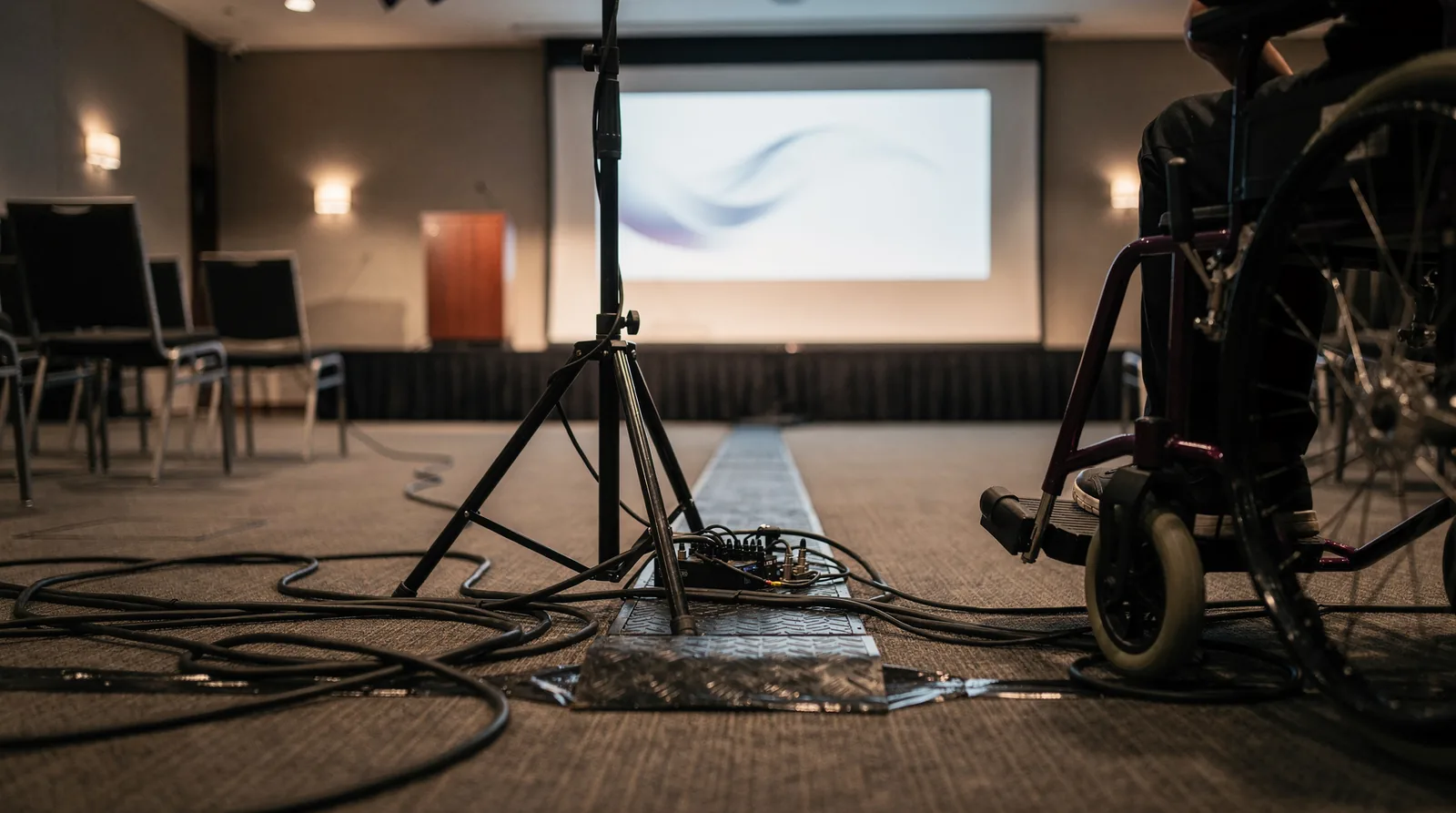
Technical Rider Accessibility
A technical rider for Ryan Davis, retired U.S. Army Sergeant First Class and 1st Ranger Battalion veteran, must specify wheelchair-accessible stage ramps, adjustable-height podium, wireless lavalier microphone, reserved accessible seating. ADA-compliant venue pathways to accommodate his triple-amputee mobility needs during leadership and resilience presentations.
A technical rider and accessibility requirements template for booking Ryan Davis, a retired U.S. Army Sergeant First Class and triple amputee from the 1st Ranger Battalion, 75th Ranger Regiment, should specify stage access, mobility accommodations, AV needs, and travel logistics. Coordinators confirm these details directly through therangerryandavis.com before finalizing event contracts.
What Should Planners Gather Before Booking Ryan Davis?
Planners should collect three categories of information before booking: mobility and stage-access details, event format specifics, and a completed inquiry through the official booking form. Ryan Davis is a decorated U.S. Army Ranger and triple amputee, a fact that shapes every logistical decision from stage height to entrance routes. His injuries — sustained August 16, 2019, when an explosive device detonated during a mission in Afghanistan, costing him three limbs, a fractured pelvis, and severe abdominal trauma — directly inform the accessibility requirements for a speaker at any venue.
What accessibility details matter most for the venue?
Ramp access, stage clearance, and level walking paths top the list. Coordinators should note these before finalizing a floor plan:
Step-free access to the stage and green room
Wide, obstacle-free pathways backstage
Seating or staging that accommodates limited mobility
How does the tech rider fit into planning?
A well-prepared technical rider for Ryan Davis covers audio, staging, and accessibility needs together. Organizers should reach out directly through the booking form. His message applies equally to corporate events, seminars, podcasts, and media interviews.
How Do You Build the Rider Document Step by Step?
Six ordered steps produce a usable tech rider ryan davis planning teams can hand directly to an AV crew. Each step builds on the one before it, so completing them in sequence prevents last-minute staging conflicts.
List event basics: date, venue, and audience size.
Define stage layout, specifying sightlines, lighting levels, and microphone placement that support clear delivery, active listening, and body language visible from every seat.
Reserve dedicated time blocks for storytelling segments on adversity and leadership, avoiding rushed transitions between stories.
Confirm stage freedom. Following common keynote staging practice, favor full stage access over a fixed podium so movement stays natural.
Document accessibility requirements speaker needs, including ramp access and assistive listening compatibility.
Circulate the draft to the venue’s production manager for sign-off before the event date.
What Belongs in the Accessibility Section?
This section should cover technical-rider-accessibility items: stage ramps, accessible seating sightlines, and assistive listening systems. Coordinators list these separately from general AV needs so nothing gets overlooked during setup.
What Common Mistakes Undermine Accessibility and AV Setup?
Two mistakes stand above the rest: treating the green room as idle waiting space and skipping a written technical rider entirely. A green room actually functions as a performance-optimization environment, one that shapes the success of the event before Ryan Davis ever steps on stage. Planners who overpack this time with meet-and-greets or media requests strip away the quiet preparation he relies on to steady his composure under pressure.
A properly built tech rider ryan davis teams review also prevents stage-access oversights. His injuries — the loss of three limbs, a fractured pelvis, and abdominal trauma — mean mobility accommodations are not optional extras.
What should coordinators double-check before load-in?
Confirm ramp access and stage clearance width.
Reserve dedicated pre-show quiet time.
Verify AV staff have reviewed accessibility requirements speaker notes and technical-rider-accessibility provisions in writing, not verbally.
Ensuring a Seamless Experience for Your Event
In closing, a comprehensive technical rider and accessibility requirements template ensures that Ryan Davis’s message of resilience and leadership reaches audiences without logistical barriers. By addressing audio-visual specifications, mobility accommodations, and staging needs upfront, event organizers create an environment where his story of overcoming adversity resonates fully. Such preparation reflects the discipline and intentionality that define his military background and speaking mission—transforming potential obstacles into opportunities for meaningful connection.